Compare vascular diagnostic systems in Australia for CLTI assessment, including ABI, TBI, PVR and Doppler capabilities.
For suspected chronic limb-threatening ischaemia (CLTI), no single measurement replaces clinical judgement. The practical goal is to select complementary physiological tests that suit the patient and the service pathway.
What Are Vascular Diagnostic Systems For CLTI Assessment?
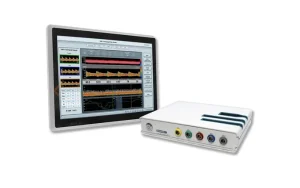
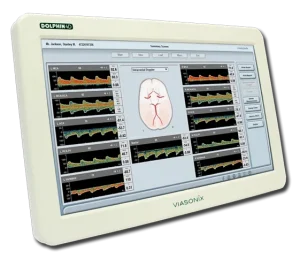
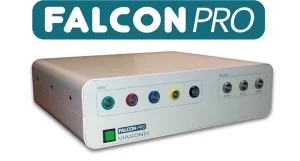
Vascular diagnostic systems are non-invasive platforms used to record limb pressures and waveforms that inform peripheral arterial assessment. MedTech Edge supplies the Falcon range of peripheral vascular diagnostic systems, with configurations offering pressure channels, Doppler frequencies and photoplethysmography (PPG) ports. These tools support data acquisition; clinicians remain responsible for interpretation, diagnosis and referral.
Why Can ABI Be Inconclusive?
An ankle–brachial index (ABI) may be falsely elevated when ankle arteries are difficult to compress, a recognised issue in people with diabetes or chronic kidney disease. The RACGP overview of lower-limb peripheral artery disease explains that CLTI assessment considers symptoms, signs and perfusion information, while urgent vascular assessment is important when CLTI is suspected.
A toe pressure or toe–brachial index (TBI) can add useful physiological information because digital arteries may be less affected by medial calcification. Our earlier guide to the Falcon TBI workflow discusses how this measurement can fit within diabetic foot assessment. Results must still be considered alongside the clinical presentation and local protocols.
Which Measurements Can Support The Workflow?
The appropriate test combination depends on the referral question, patient factors, operator competency and the selected Falcon configuration. Relevant capabilities may include:
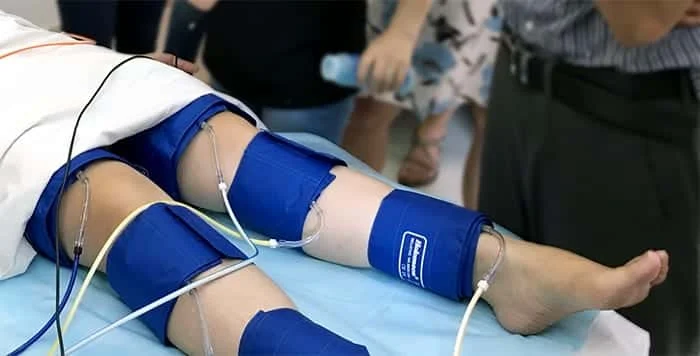
- ABI and segmental pressures: Compare systolic pressures at selected limb levels and help localise haemodynamic changes.
- TBI and toe pressure: Provide an alternative pressure-based assessment when ankle measurements appear non-compressible or inconsistent.
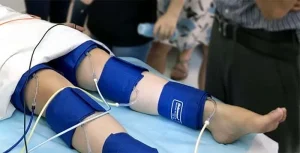
- Pulse volume recording: Captures volume-change waveforms that clinicians can interpret alongside pressure findings.
- Doppler waveform assessment: Records flow patterns for review; our article on a peripheral Doppler ultrasound system explains another vascular application without implying that one test answers every clinical question.
How Should A Facility Compare Systems?
Start with the examinations your service performs, expected patient volume and reporting requirements. Then compare the number of independent pressure channels, PPG and Doppler connections, examination protocols, training needs and compatibility with your documentation process. A specification review should confirm what is included in the proposed configuration rather than assuming every Falcon model has identical capabilities.
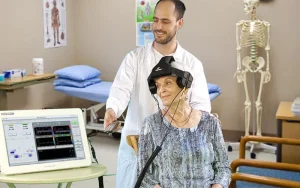
Procurement teams should also involve the clinicians who will operate and interpret the equipment. A demonstration using representative workflows can reveal setup, cuff and sensor handling, measurement sequence, report review and room-layout considerations before purchase.
Ask how the proposed configuration supports quality control, repeat measurements and consistent documentation. Confirm local servicing, consumables, user education and implementation support as part of the evaluation. These operational details influence adoption and continuity, but they should be assessed separately from clinical performance and interpreted within the facility’s governance framework.
Plan A Relevant Product Demonstration
We help Australian healthcare facilities compare Falcon configurations against their intended examinations and workflow. Tell us which tests you perform, your patient volume and your reporting priorities, then contact MedTech Edge to request a tailored demonstration. We will focus the discussion on documented capabilities and the practical fit for your facility, without overstating what equipment alone can establish.