Compare robotic TCD vs manual TCD workflows for Neuro-ICU monitoring, including acquisition, staffing, integration and procurement factors.
Robotic TCD vs manual TCD is primarily a workflow and acquisition comparison—not evidence that one method replaces trained clinical judgement. For Neuro-ICU teams, the decision turns on examination type, monitoring duration, staffing, patient access and data integration. Our Dolphin/XF robotic TCD system supports automated insonation and short- or long-term monitoring; manual acquisition remains relevant where direct probe control suits the protocol.
What Changes Between Manual And Robotic Acquisition?
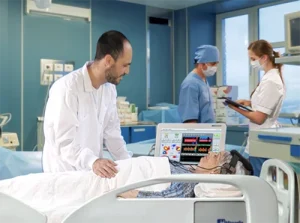
With manual TCD, a trained operator locates the acoustic window, identifies the vessel and maintains or secures the probe according to the examination. This provides hands-on control but makes staffing, operator availability and monitoring duration important planning factors.
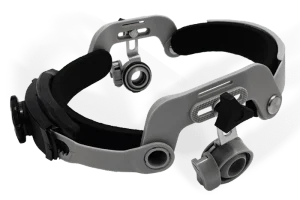
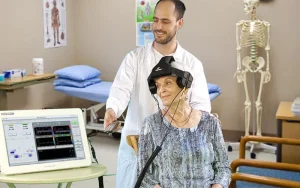
Dolphin/XF uses a dedicated headset, automated scanning and robotic probe positioning. Fast Scan and High-Resolution Scan can search temporal or suboccipital windows, while the system supports bilateral acquisition. The manufacturer’s Viasonix Dolphin/XF technical information describes these functions; it does not remove the need for trained setup, signal review or clinical interpretation.
Match The Method To The Monitoring Task
A short diagnostic examination and prolonged bedside monitoring create different operational demands. MedTech Edge’s overview of neurology continuous monitoring explains unilateral and bilateral cerebral blood-flow velocity monitoring and relevant clinical settings. Before choosing a platform, define who performs the acquisition, how long monitoring continues and what happens if an adequate acoustic window cannot be established.
Manual and robotic workflows should also be compared using an agreed local protocol. Record setup time, successful vessel acquisition, interruptions, staff attendance and the usability of stored studies during an evaluation. These observations can inform procurement, but they should not be presented as clinical-outcome evidence. Device selection remains a hospital governance decision based on the intended use, validated procedures and appropriately trained personnel.
Review Practical Procurement Requirements
A useful comparison should document the local workflow instead of relying on a broad claim that automation is universally superior. Include:
- Clinical applications: Specify routine examinations, emboli detection, vasomotor reactivity, PFO protocols, surgery or ICU monitoring.
- People and training: Identify authorised users, supervision, competency requirements and after-hours coverage.
- Patient workflow: Consider positioning, monitoring duration, headset suitability, cleaning processes and bedside access.
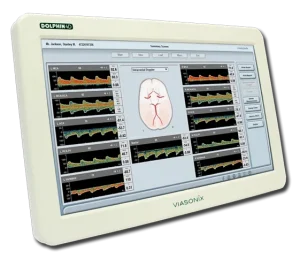
- Data pathway: Confirm reporting, review stations, DICOM, HL7 and PACS or EMR requirements with clinical engineering and IT.
Assess The Complete Platform
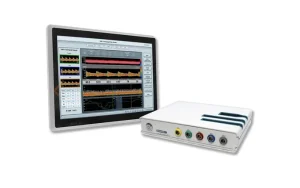
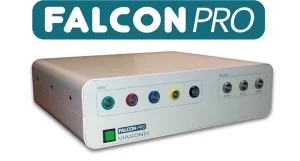
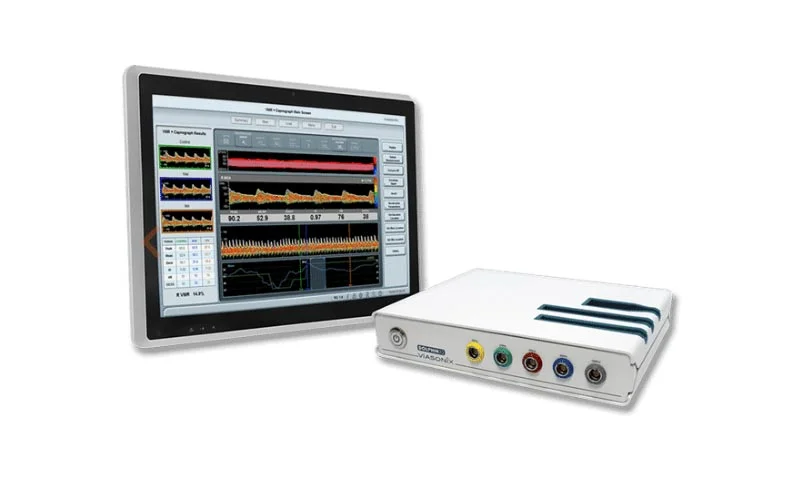
The robotic probe operates with the Dolphin/IQ TCD module, which supports digital Doppler processing, monitoring and connectivity options. Hospitals comparing configurations should therefore assess the probe, software, reporting and integration together—not the positioning method in isolation. Our published discussion of automated cerebral circulation monitoring provides further context on rapid acquisition workflows, while this article focuses on the manual-versus-robotic procurement decision.
Plan A Workflow-Specific Demonstration
A demonstration is most useful when it reflects the proposed Neuro-ICU pathway. Send us your intended examinations, typical monitoring duration, current TCD equipment, staffing model, bedside constraints and connectivity requirements. We can then discuss a suitable Dolphin configuration and demonstrate the relevant acquisition and reporting workflow.
Request a workflow-specific Dolphin demonstration so your clinical, biomedical engineering, procurement and IT stakeholders can evaluate the same defined use case.