Review MBS reimbursement considerations for vascular screening in Australian clinics, including documentation, compliance and MedTech Edge diagnostic systems.
Vascular screening can strengthen clinical decision-making, but we do not treat it as a guaranteed Medicare revenue stream. In Australia, MBS reimbursement depends on the current item descriptor, provider eligibility, referral or request requirements, clinical indication and documentation. Before clinics build revenue assumptions around in-house testing, we recommend checking MBS Online as the source of truth.
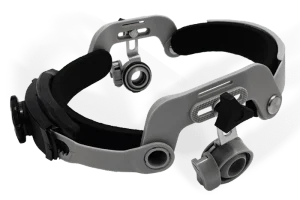
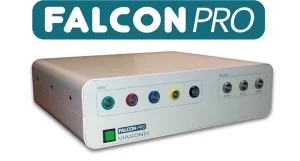
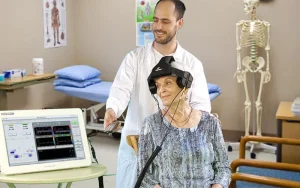
At MedTech Edge, we supply vascular and neurovascular diagnostic systems for hospitals, specialist clinics and diagnostic environments across Australia and New Zealand. Our range includes Falcon peripheral vascular diagnosis systems and Dolphin transcranial Doppler technology. Our systems support efficient assessments and consistent reporting, but billing compliance remains the clinic’s responsibility at every stage of implementation.
Start With the Clinical Workflow, Not the Rebate
A weak vascular screening programme starts with the question, ‘What can we bill?’ A stronger one starts with the patient’s need. We encourage clinics to define which patients require vascular assessment, who performs the test, how results are reviewed and how findings are documented in the medical record.
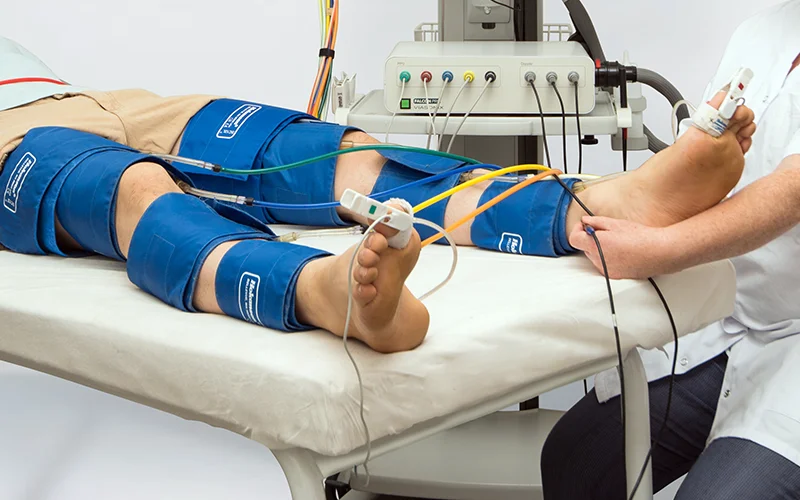
Falcon Pro supports examinations such as ABI, TBI, segmental blood pressures, Doppler, PVR, PPG, stress testing and venous reflux protocols. That product capability is useful, but it does not automatically make every test Medicare-billable. Each service still needs to match the relevant MBS descriptor and clinical context.
Documentation Protects Revenue
Rejected claims often come from poor documentation, not poor equipment. We suggest recording the presenting indication, relevant history, test performed, operator details, findings, report pathway and follow-up plan. Where Medicare claiming is involved, staff should check item numbers and claiming rules through Services Australia MBS claims guidance before lodging claims or adjusting clinic workflows.
A practical implementation plan should include written protocols, nominated clinical owners, staff training, report review procedures and a maintenance schedule. That sounds basic, but skipping these steps turns useful technology into an administrative liability. The strongest clinics make the diagnostic pathway repeatable before they rely on it for revenue planning.
Equipment selection should also consider Australian regulatory expectations. The TGA medical devices guidance explains how medical devices are regulated in Australia. For diagnostic imaging services, clinics may also need to review the Diagnostic Imaging Accreditation Scheme requirements where applicable.
How We Support Implementation
Our role is not to provide billing advice. Our value is in supplying diagnostic technology that helps clinics build reliable vascular and neurovascular testing workflows. With configurable protocols, reporting options and support for common examinations, the right system can reduce workflow friction and improve consistency across assessments.
Before investing, clinics should map patient volume, referral pathways, staff capability, reporting requirements and compliance obligations. Then we can help assess whether a Falcon or Dolphin system fits the clinical case and commercial model. For product guidance, contact us to discuss vascular diagnostic equipment options.
Compliance Note
This article is general information only and is not billing, legal or clinical advice. MBS item numbers, descriptors and eligibility rules can change. Always verify current requirements through official sources before finalising Medicare billing workflows.