Upgrade neurovascular workflows with cerebral circulation monitoring devices from MedTech Edge in Australia, built for rapid automated insonation.
Hospitals rely on cerebral circulation monitoring devices for fast and reliable neurovascular assessment in critical care settings. Advanced systems now secure rapid bilateral insonations within seconds for ICU, OR, and stroke monitoring environments. MedTech Edge supplies automated neurovascular monitoring systems designed for rapid deployment, reduced setup time, and dependable clinical performance in high-pressure healthcare environments.
Cerebral Circulation Monitoring Devices for Rapid Insonation
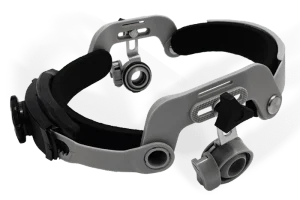
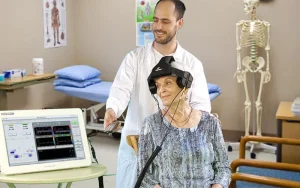
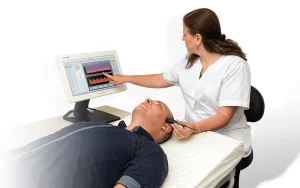
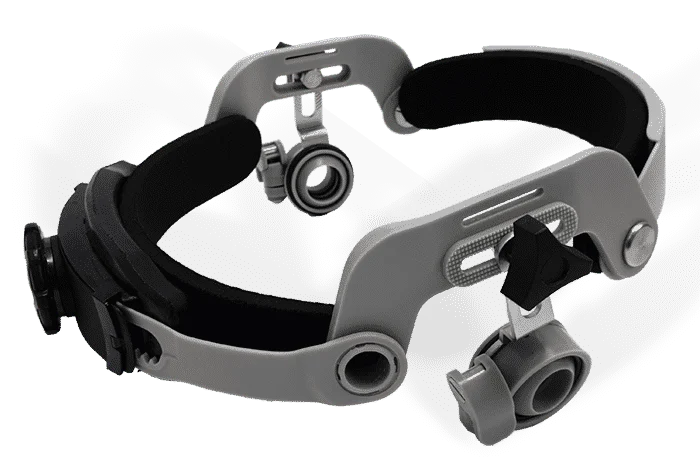
One of the strongest competitive advantages in modern cerebral circulation monitoring devices is rapid automated bilateral insonation capability. Systems such as the Dolphin platform secure bilateral vessel acquisition within seconds, reducing manual adjustments and setup delays during critical monitoring procedures.
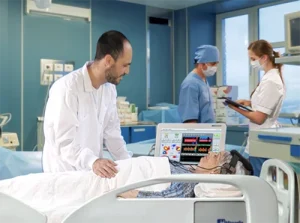
ICU and OR teams require stable monitoring signals without setup delays. Rapid insonation workflows reduce procedural downtime during stroke monitoring, neurocritical care, and surgical applications.
Automated Insonation for ICU and OR Workflows
ICU and OR teams require monitoring systems that reduce setup delays during critical procedures. Rapid automated insonation technology improves deployment speed and monitoring consistency in high-pressure clinical environments.
Operational advantages include:
- Faster monitoring deployment: Rapid setup reduces delays during time-sensitive neurovascular monitoring procedures.
- Reduced manual setup adjustments: Automated insonation technology minimises repeated positioning and manual corrections.
- More consistent signal acquisition: Advanced algorithms improve monitoring consistency across ICU and OR environments.
- Improved ICU and OR workflow efficiency: Faster deployment supports high-pressure clinical workflows and operational efficiency.
Studies published through the National Library of Medicine highlight the growing demand for rapid transcranial Doppler deployment in neurocritical care. Hospitals investing in cerebral circulation monitoring devices prioritise speed, workflow efficiency, and bedside usability in ICU environments.
Stroke and Neurocritical Care Monitoring
Neurological care environments require rapid monitoring deployment and consistent signal acquisition. Automated monitoring systems deliver faster setup during urgent assessments while reducing manual insonation variability.
This advantage becomes critical in stroke units, emergency departments, and neurocritical care settings where monitoring delays affect operational workflow. Hospitals seeking scalable neurodiagnostic infrastructure increasingly prioritise systems that deliver faster deployment and repeatable monitoring performance.
Key Features in Cerebral Monitoring Systems
Hospitals evaluating cerebral circulation monitoring devices prioritise systems that improve deployment speed, monitoring consistency, and operational efficiency. Procurement teams also assess long-term scalability, bedside usability, and integration capability.
Key features buyers look for include:
- Rapid bilateral insonation capability
- Automated vessel acquisition algorithms
- Bedside monitoring deployment
- Real-time waveform visualisation
- Multi-depth monitoring functionality
- Portable ICU and OR integration
- Digital reporting compatibility
- Reduced manual setup adjustments
Advanced Cerebral Monitoring Solutions
Delays during neurovascular monitoring procedures can reduce workflow efficiency in ICU, OR, and stroke assessment environments. Hospitals require cerebral circulation monitoring devices that deliver rapid bilateral insonations, faster deployment, and dependable monitoring performance during high-pressure clinical situations.
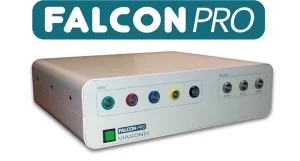
MedTech Edge deploys advanced neurovascular monitoring systems designed for automated insonation, faster setup, and consistent bedside monitoring performance. Our rapid bilateral insonation technology supports faster neurovascular assessment workflows while reducing manual setup delays in high-pressure clinical settings.
Book a free demo to explore rapid automated insonation for ICU and neurocritical care workflows.
Related Blog Articles:
TCD Monitoring in ECMO Patients: Cerebral Hemodynamics & Clinical Insights
Cerebral Autoregulation & CO₂ Vasomotor Reactivity Testing with TCD: Protocols for Neurocritical Care
Transcranial Doppler (TCD) for Subarachnoid Haemorrhage—Early Vasospasm Alerts for Neurocritical Care